



John Dix
Biografía
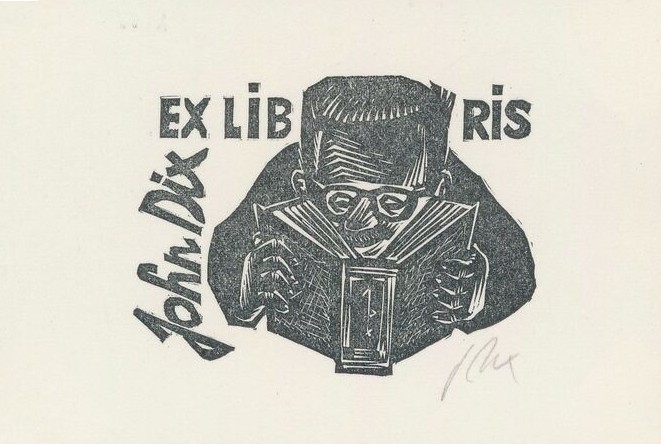
John Dix, seudónimo de Jean-Pierre Léon Dierickx (Lovaina, 1935 – 2000), fue un pintor, grabador, pastelista y xilógrafo belga cuya obra destacó por su sensibilidad poética y su continua evolución estilística.
Hijo del arquitecto Léon Dierickx, estudió en las Academias de Gante y Bruselas bajo la dirección de artistas como Gérard Gaudaen, Claude Lyr y Léon Devos. En 1965 obtuvo el Premio Deleu de Grabado en Madera y más tarde amplió su formación en Inglaterra gracias a una beca de estudios en el College of Art de Exeter.
Sus primeras obras se acercaron a un expresionismo intenso y atormentado, evolucionando posteriormente hacia una pintura más luminosa y delicada. Los viajes realizados entre 1971 y 1974 por ciudades como París, Lisboa, Viena o Roma transformaron profundamente su lenguaje plástico. Tras Lisboa aparecieron en su obra tonalidades suaves y pasteladas, mientras que en torno a 1980 desarrolló una figuración cercana al hiperrealismo, marcada por colores radiantes y una visión profundamente humana.
John Dix buscó una “nueva figuración” donde convivieran tradición y modernidad. Sus óleos, trabajados mediante superposiciones de capas y veladuras, evocaban la técnica de los antiguos maestros flamencos y ofrecían atmósferas de gran lirismo.
Además de su trabajo pictórico, ilustró diversas publicaciones literarias y recibió la Palma de Oro al Mérito de la Asociación Hispano-Belga por el conjunto de su trayectoria artística.
Biography
John Dix, pseudonym of Jean-Pierre Léon Dierickx (Leuven, 1935 – 2000), was a Belgian painter, engraver and woodcut artist known for the poetic character of his work and his constant stylistic evolution.
He studied at the Academies of Ghent and Brussels under artists such as Gérard Gaudaen, Claude Lyr and Léon Devos. In 1965 he received the Deleu Prize for wood engraving and later continued his studies in England at the College of Art in Exeter.
His early work reflected a dramatic expressionist style that gradually evolved into softer and more luminous compositions. Travels through Paris, Lisbon, Vienna and Rome deeply influenced his palette and artistic vision. Around 1980 his paintings moved toward a radiant form of figurative hyperrealism centred on human beings and nature.
John Dix sought a “new figuration” capable of combining classical techniques with contemporary sensibilities. His oil paintings, built through layered glazing techniques, created subtle colours and dreamlike atmospheres.
Alongside his painting and graphic work, he illustrated several literary publications and received the Golden Palm of Merit from the Belgian-Spanish Association for his artistic career.
Biographie
John Dix, pseudonyme de Jean-Pierre Léon Dierickx (Louvain, 1935 – 2000), fut un peintre, graveur et xylographe belge reconnu pour la dimension poétique de son œuvre et son évolution artistique constante.
Il étudia aux Académies de Gand et de Bruxelles auprès d’artistes tels que Gérard Gaudaen, Claude Lyr et Léon Devos. Lauréat du Prix Deleu de gravure sur bois en 1965, il poursuivit ensuite sa formation en Angleterre au College of Art d’Exeter.
Ses premières œuvres relevaient d’un expressionnisme intense avant d’évoluer vers une peinture plus lumineuse et délicate. Ses voyages à Paris, Lisbonne, Vienne ou Rome transformèrent profondément sa palette. Vers 1980, son travail s’orienta vers une forme de hyperréalisme figuratif aux couleurs éclatantes.
John Dix chercha toute sa vie une « nouvelle figuration » mêlant tradition technique et sensibilité contemporaine. Ses huiles, travaillées par glacis successifs, rappellent la maîtrise des anciens peintres flamands.
Parallèlement à son œuvre picturale, il illustra plusieurs publications littéraires et reçut la Palme d’Or du Mérite de l’Association belgo-espagnole pour l’ensemble de sa carrière.