



The mezzotint printmaking technique (manière noire)
Introduction
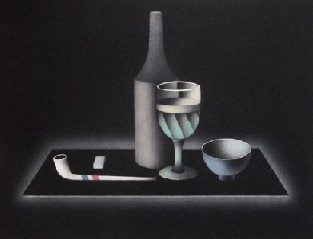
The mezzotint, known in Spanish as manera negra, is an intaglio printmaking technique that makes it possible to achieve very smooth tonal gradations, from deep blacks to delicate greys. Unlike line-based techniques such as etching or drypoint, mezzotint relies mainly on areas of tone and transitions of light, producing images of great tonal richness.
Thanks to these qualities, the technique was highly valued between the seventeenth and eighteenth centuries for reproducing portraits and paintings, especially in England, where it reached its greatest development within European printmaking.
Origin and history
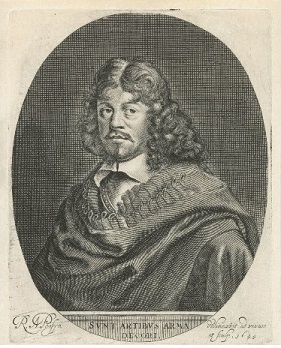
The technique was developed around 1642 by the German printmaker Ludwig von Siegen. It was later refined and popularised by Prince Rupert of the Rhine, who introduced improvements in the tools and in the working process.
During the eighteenth century, mezzotint became one of the favourite techniques for reproducing paintings and aristocratic portraits. Printmakers such as Valentine Green and Richard Earlom achieved great prestige in England thanks to their refined prints.
Although its use declined in the nineteenth century with the emergence of new graphic reproduction methods, mezzotint is still valued for its extraordinary tonal quality and handcrafted character.
How the process works
The mezzotint process is distinctive because the image is built from a completely dark surface. First, the entire copper plate is roughened with a tool called a berceau or rocker, which creates thousands of tiny incisions capable of holding ink.
If the plate were printed in that state, it would produce a uniform black. To create the image, the artist uses scrapers and burnishers to smooth the metal surface. The more polished an area becomes, the less ink it retains and the lighter it appears in the print.
The result is an image formed by a complex gradation of tones, printed with an etching press onto damp paper.
Characteristics of mezzotint
- Deep, velvety blacks.
- Very smooth tonal gradations.
- Almost complete absence of visible lines.
- Great richness of light and shadow effects.
- A painterly appearance close to chiaroscuro.
These qualities made it possible to reproduce the luminous effects of painting with great fidelity, especially in portraits and dramatic scenes.
Conclusion
Mezzotint represents one of the most sophisticated procedures within intaglio printmaking. Its technical complexity and the time needed to prepare the plate mean that each print requires meticulous work.
Despite its difficulty, this technique continues to be admired by artists, art historians and collectors because of its unique ability to recreate effects of light, shadow and volume within graphic art.
Bibliography
- Gascoigne, B. (2004). How to Identify Prints. Thames & Hudson.
- Griffiths, A. (1996). Prints and Printmaking. University of California Press.
- Ivins, W. (1953). Prints and Visual Communication. MIT Press.
- Hind, A. (1963). A History of Engraving and Etching. Dover Publications.
- Landau, D., & Parshall, P. (1994). The Renaissance Print. Yale University Press.